
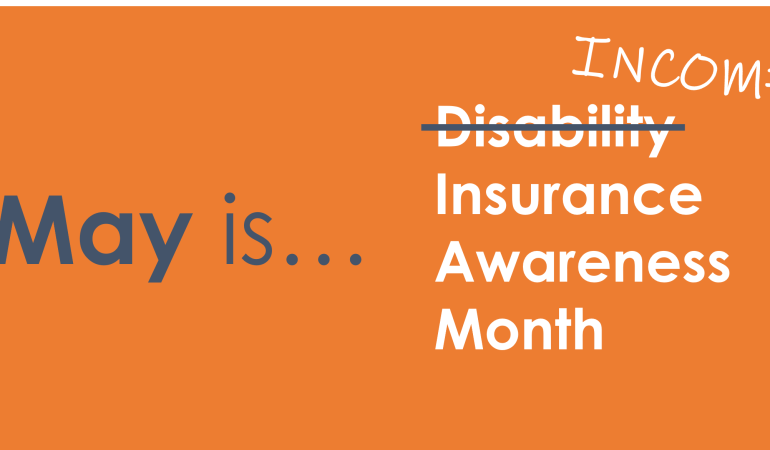


Why May Matters: Using Disability Insurance Awareness Month to Start the Income Protection Conversation
Every May, the financial services industry observes Disability Insurance Awareness Month (DIAM) — a dedicated opportunity to shine a light on one of the most overlooked gaps in financial planning. For advisors, it’s more than an awareness campaign. It’s a built-in conversation starter, a marketing moment and a chance to deliver real, lasting value to clients who may not know how exposed they truly are.
The Protection Gap No One Talks About
Most people insure their car, their home and their health without a second thought. Yet the asset that funds all of those things — their income — often goes entirely unprotected.
The numbers tell a sobering story.
According to the Social Security Administration, more than one in four of today’s 20-year-olds will experience a disabling condition before they reach retirement age.
The Council for Disability Income Awareness reports that the average long-term disability claim lasts nearly three years. And yet, surveys consistently show that a large majority of workers have little to no disability coverage beyond basic employer-sponsored group plans — which, if they exist at all, typically replace only 60% of base salary, exclude bonuses and may be taxable at claim time.
This is a gap that quietly threatens financial plans that otherwise look solid on paper.
Why DIAM Creates a Natural Opening
One of the hardest parts of selling or discussing disability insurance is bringing it up at all. It requires clients to imagine being unable to work — a scenario most people resist thinking about. DIAM removes that friction.
When an awareness month exists, advisors have a reason to reach out that feels timely and educational rather than sales-driven. A well-crafted message in May says “I’m thinking about your financial security because the industry is focused on this right now” — not “I want to sell you something.” That framing matters enormously in building trust.
Clients are also more likely to engage with content that feels culturally current. A short email, a LinkedIn post, a brief segment in a newsletter — all of these feel natural in May in a way they might not in October.
How Advisors Can Use the Month Effectively
1. Lead with education, not product.
The advisors who gain the most traction during DIAM are the ones who inform first. Share statistics about how common disabilities actually are (accidents and illnesses both — it’s not just extreme scenarios). Debunk the myth that workers’ compensation or Social Security disability benefits are reliable safety nets. Explain what “own-occupation” versus “any-occupation” definitions actually mean in plain language. When clients feel educated, they initiate the coverage conversation themselves.
2. Segment your book and identify the unprotected.
DIAM is an ideal time to audit your client base. Who has a policy? Who has adequate coverage relative to their income and lifestyle? Who has a group plan at work but no individual policy — and would be left stranded if they changed jobs? High-income clients, self-employed professionals, business owners and dual-income households with significant financial obligations are often the most exposed. Prioritize outreach to these segments.
3. Use “what would happen if” questions.
Rather than leading with product features, lead with scenarios. “If you couldn’t work for six months, how long could your household sustain its current lifestyle without your income?” Most clients haven’t done that math. Walking through it together — living expenses, existing savings, other income sources — makes the need feel concrete and personal rather than hypothetical.
4. Connect disability planning to the broader financial plan.
Income protection isn’t a standalone product — it’s the foundation of everything else. Retirement savings, mortgage payments, college funding and investment contributions all stop when income stops. Framing disability insurance as the mechanism that keeps the whole financial plan alive (rather than a product line item) shifts the conversation entirely.
5. Make is social.
DIAM gives advisors permission to be visible on social media about a topic that can otherwise feel awkward to promote. Short posts with real statistics, brief explainer videos, client Q&As and even just resharing industry content positions advisors as knowledgeable, proactive and client-focused. Consistent presence during May builds credibility that pays off year-round.
Did you know?
dibrokerWest will create several shareable social media posts that are geared towards your client audience. You can like or share our unbranded social media posts to start the conversation. Be sure to follow us on (LinkedIn) so you can find the posts!
A Word on Authenticity
Clients can tell the difference between an advisor who reaches out in May because they care about financial security and one who reaches out because it’s a campaign month. The advisors who get referrals, reviews and long-term loyalty from these conversations are the ones who make the discussion genuinely personal.
That means knowing which clients are most at risk. It means remembering that a 38-year-old software engineer with a mortgage and two kids faces a completely different risk profile than a 55-year-old with a paid-off home and substantial assets. It means listening more than presenting.
The Bottom Line
Disability Insurance Awareness Month is not just an industry observance — it’s an annual gift to advisors who are willing to use it. In a single month, there’s a culturally relevant reason to reach out, an educational backdrop that lowers client defenses and a genuine opportunity to address a protection gap that undermines otherwise strong financial plans.
The clients who get a disability policy because an advisor brought it up in May will remember that conversation for the rest of their financial lives. That’s the kind of advice that builds careers.
Disability Insurance Awareness Month is observed each May. Consider incorporating DIAM messaging into your client communications, social media calendar and annual review process.
For additional information or questions, please contact your Local Sales Rep.


