
Episode 13 | dibrokerWest Podcast with Guest Jonathan Lenhoff
Most advisors don’t avoid disability insurance because they don’t care.
They avoid it because every path they can see creates a risk: handle it without enough expertise, refer the client out or avoid the conversation entirely. EZDIquote offers a fourth path. The advisor identifies the need and stays in the lead, while dibrokerWest handles case design, underwriting, application, and annual service.
An advisor knows disability planning belongs in the conversation. So why doesn’t it happen? Usually it’s not a lack of caring. The practice is busy, the client has other priorities and disability insurance feels like a product line that takes more time and specialized knowledge than the advisor has available.
In this episode, Doug Lenhoff, President of dibrokerWest, welcomes Jonathan Lenhoff, Regional Director of Sales back to the show for a follow-up to “What If I Don’t Die? Solving the Disability Insurance Problem for Advisors.” This time Jonathan focuses on the specific business risk advisors face when they don’t have a solution in place: it isn’t only the client who loses when disability planning gets avoided, it’s the advisor’s relationship too.
Jonathan walks through the three options advisors typically have, handling it anyway, referring the client out or avoiding it and why each one creates a risk. He then explains the fourth path, handing off the task of disability planning without handing off the client relationship and a simple first step you can take with a client you’re thinking of right now.
Not because they don’t care but because there’s no practical path that feels manageable. The practice is busy, the client has other priorities and disability insurance feels like a product line that takes more time and specialized knowledge than the advisor has available so it keeps getting pushed down the list.
Handle the conversation anyway, refer the client to another office that specializes in disability or avoid the conversation entirely. Each one has a meaningful downside.
Without the expertise, the product knowledge or the service capacity, the advisor risks losing credibility with clients on the product line and may not know enough to get them out of the hole if problems come up.
Referring the client solves the expertise problem but the other office may also do life insurance or assets under management, which exposes the advisor’s relationship to another office. Many advisors are hesitant to refer business because they’ve seen what can happen when another professional gets access to their client.
The advisor knows there’s a planning gap and the client is left with it unaddressed. The worst situation is when the client becomes disabled, turns back to the advisor and asks what now and the advisor has to admit they never touched on it.
A path that doesn’t exist without a partner like dibrokerWest. Jonathan Lenhoff calls it the yellow brick road. The advisor stays in the lead, the client relationship stays protected, the disability planning actually gets addressed and the advisor doesn’t have to become a disability specialist. EZDIquote (EZDIQ) is designed to fill that gap.
The advisor identifies the need, which they’re already positioned to do because they know the client. They bring dibrokerWest in through EZDIQ to handle the case design, underwriting, application, and annual service, and the advisor stays included on all key communications and case milestones.
Needs such as life insurance, annuities and long-term care go back to the referring advisor. dibrokerWest doesn’t handle them.
The advisor hands off the disability insurance task while keeping the client relationship. EZDIQ is built around protecting the relationship, not competing with it so the advisor’s role as the client’s primary trusted advisor is reinforced throughout the process instead of undermined.
According to Jonathan Lenhoff, the reasons are probably legitimate: advisors often don’t have the time, the product knowledge or the ability to service it the way it should be serviced. But leaving the client unprotected isn’t the answer and neither is referring the relationship to someone else.
Think of one client right now who needs a disability conversation that hasn’t been handled. Jonathan suggests, quite frankly, anybody under the age of 50. Bring that case to dibrokerWest and see how the process works on a real case. Most advisors find the hesitation goes away once they see it in action, because the process is simpler than they expected and the relationship protection is real.
For an overview of Easy DI Quote and how the platform works, listen to Jonathan Lenhoff’s earlier episode, “What If I Don’t Die? Solving the Disability Insurance Problem for Advisors.”
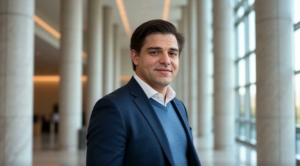 Jonathan Lenhoff works with financial advisors at dibrokerWest to help them close a planning gap many practices leave open: disability insurance. His focus is on the business risk advisors face when disability planning gets avoided and on giving them a practical path that doesn’t require becoming a disability specialist.
Through EZDIquote (EZDIQ), Jonathan helps advisors identify the need and stay in the lead while dibrokerWest handles case design, underwriting, application, and annual service. Any other opportunity that surfaces, including life insurance, annuities, and long-term care, goes back to the advisor.
| Time | Segment |
| 00:06 | Opening: What if I don’t die? |
| 00:39 | Doug welcomes Jonathan Lenhoff back |
| 01:05 | Recap and the business risk of avoiding disability planning |
| 01:37 | Why disability planning keeps getting pushed down the list |
| 02:11 | The three options advisors have |
| 03:12 | The worst-case scenario |
| 03:51 | The fourth path |
| 04:06 | How the process works in practice |
| 04:54 | Handing off a task, not a relationship |
| 05:22 | A message for advisors who have been avoiding it |
| 06:06 | The practical first step |
| 06:54 | Closing |
(0:06 – 0:38)
What if the greatest financial threat to your family isn’t dying too soon, but surviving an illness or injury without a paycheck? Welcome to the dibrokerWest podcast. I’m Doug Lenhoff, and this is the show where we ask the question, but what if I don’t die? If you’ve watched TV or streaming video lately, you’ve probably seen the commercial about the healthy young father who has a stroke, passes away, and fortunately had life insurance. But that story overlooks a far more likely outcome, surviving the stroke with a disability that prevents him from earning an income.
(0:39 – 1:04)
So we ask again, what if I don’t die? Should income protection or disability insurance be one of the first risks that a young father or mother considers? Welcome back to the dibrokerWest podcast. I’m Doug Lenhoff, and I’m joined again by Jonathan Lenhoff, Regional Sales Director with dibrokerWest and EZDIQ. Jonathan, good to have you back.
(1:05 – 1:15)
Doug, it’s always good to be here. Jonathan, last time you introduced EZDIQ and the problem it solves for busy advisors. Today feels like you want to go a little deeper on the practical side of that.
(1:16 – 1:36)
That’s right. Last time I talked about how disability planning gets left behind, and today I want to focus on the specific business risk advisors face when they don’t have a solution in place. Because it’s not the client who loses when disability planning gets avoided, it’s the advisor’s relationship too.
(1:37 – 2:10)
Set up the problem. An advisor knows disability planning belongs in the conversation. Why doesn’t it happen? Usually a combination of things.
The practice is busy. The client has other priorities, and disability insurance feels like a product line that takes more time and more specialized knowledge than the advisor has available. So it keeps getting pushed down the list, not because the advisor doesn’t care, because there’s no practical path forward that feels manageable.
(2:11 – 2:22)
And when that happens, what are the options? Well, there are generally three of them. And again, none of them are good. The first thing is to try to handle the conversation anyways.
(2:23 – 2:52)
Without enough expertise, without the product knowledge, without the service capacity, the risk there is losing credibility with the clients on the product line, and the advisor doesn’t know enough to get them out of the hole that they dig. What’s the second option? Refer the client to another advisor or an office that specializes in disability. And that solves the expertise problem, but it creates a relationship risk.
(2:52 – 3:12)
That other office generally might do life insurance, might do assets under management, and that exposes the relationship to another office. And the third? Avoid the conversation entirely. Leave the client unprotected, which means the advisor knows that there’s a planning gap.
(3:12 – 3:31)
The client has this gap, and they don’t address it. That’s not a good outcome for the client. The worst situation possible is if the client becomes disabled, turns back to the advisor and says, what now? And the advisor has to say, oh, we didn’t touch on that.
(3:32 – 3:50)
All right. Three options, all with meaningful downsides. Yeah.
And all three are a real problem. It’s not the advisors that don’t want to address disability planning. It’s that every path they could creates a risk they don’t want to take.
(3:51 – 4:05)
That’s the gap that EZDIQ is designed to fill. So what does EZDIQ replace with those three options? Well, I like to call it the yellow brick road, the fourth path. And the fourth path that doesn’t exist without a partner like dibrokerWest.
(4:06 – 4:27)
The advisor stays in the lead, the client’s relationship stays protected, the disability planning actually gets addressed, and the advisor doesn’t have to become a disability specialist to make it happen. Walk us through how that works practically. The advisor identifies the need, which they’re already positioned to do because they know the client.
(4:28 – 4:53)
They bring dibrokerWest in through EZDIQ to handle the case design, the underwriting, the application, and the annual service. The advisor stays included in all key communications and case milestones throughout the process. And if any other planning needs come up along the way, you know, life insurance, annuities, long-term care, those all go back to the referring advisor.
(4:54 – 5:03)
We don’t handle them. So that last point matters a lot. The advisor isn’t just handing off a case, they’re handing off a task while keeping the relationship.
(5:04 – 5:21)
That’s the distinction that makes the whole thing work. Most advisors are hesitant to refer any business to another office because they’ve seen what can happen when the professional gets access to their client. EZDIQ is built around protecting the relationship, not competing with it.
(5:22 – 5:44)
The advisor’s role as the client’s primary trusted advisor gets reinforced throughout the process, not undermined. Jonathan, for advisors who have been pushing disability planning down the list, what’s the message? The reason you’ve been avoiding it, it’s probably legitimate, quite frankly. You don’t have the time.
(5:45 – 5:55)
You don’t have the product knowledge. And you don’t have the ability to service it the way that you know it should be serviced. That’s a real constraint.
(5:56 – 6:05)
But leaving the client unprotected isn’t the answer. We both agree on that. And neither is referring the relationship to someone else.
(6:06 – 6:29)
EZDIQ gets you a practical way to address the gap without taking on a new product line and without putting the client’s relationship at risk. And that’s what turns the planning problem into a planning advantage. And the practical first step? Think about one client right now, Doug, who you know needs a disability conversation and it hasn’t been handled.
(6:30 – 6:40)
Quite frankly, anybody under the age of 50. Bring that case to me. Let us show you how the process works on a real case.
(6:42 – 6:53)
Most advisors find that once they see it in action, the hesitation goes away. Because the process is simpler than they would expect. And the relationship protection is real.
(6:54 – 6:58)
Jonathan Lenhoff from dibrokerWest and EZDIQ. Thanks for being on today.
END TRANSCRIPT
